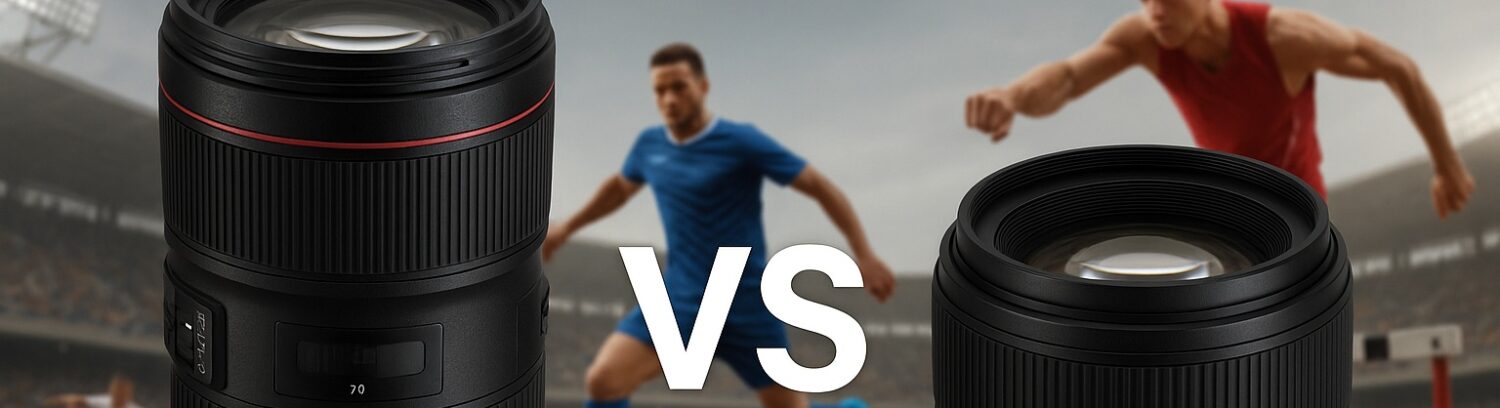
Sports photography is a thrilling and dynamic field that requires skill, patience, and an understanding of how to handle different environments. Whether capturing the fast-paced action of an indoor basketball game or the raw energy of a soccer match played under the open sky, photographers must adapt to the unique challenges each setting presents. In this article, we’ll break down the major differences between indoor and outdoor sports photography and provide actionable solutions to help you elevate your shots.
Lighting Conditions: Natural vs. Artificial Light
Challenges in Indoor Sports Photography
Indoor sports venues often have dim or uneven lighting, which can lead to motion blur, noise, and incorrect exposure. Many indoor arenas use artificial lights that cast harsh shadows or flicker, making it difficult to capture sharp, well-lit images.
Solutions for Indoor Photography
- Increase ISO: Raising the ISO setting can help compensate for low light conditions, but be cautious of excessive noise. Modern cameras handle high ISO levels better, so experiment with your camera’s limits.
- Use a Fast Lens: A lens with a wide aperture (f/2.8 or lower) allows more light into the camera sensor, improving image quality in darker conditions.
- Adjust White Balance: Artificial lighting can create color casts. Manually adjusting white balance settings will help achieve accurate colors.
- Use Flash Wisely: Some indoor venues prohibit flash photography. If permitted, use an external flash with a diffuser to soften the light and reduce harsh shadows.
Challenges in Outdoor Sports Photography
Outdoor sports rely on natural lighting, which varies based on the time of day and weather conditions. Bright sunlight can cause overexposure and harsh shadows, while cloudy days may lead to dull, flat images.
Solutions for Outdoor Photography
- Shoot During Golden Hours: Early morning and late afternoon provide softer, more even lighting for outdoor sports.
- Use a Polarizing Filter: A polarizing filter helps reduce glare and enhances colors, particularly for water or snow-based sports.
- Adjust Exposure Settings: Be ready to tweak shutter speed, aperture, and ISO based on changing light conditions.
- Watch for Shadows: Position yourself strategically to avoid unwanted shadows interfering with your composition.
Motion and Action: Capturing the Perfect Shot
Challenges in Indoor Sports
Since indoor sports often take place in confined spaces, movement is rapid and unpredictable. Slow shutter speeds can result in motion blur, making it difficult to capture sharp, detailed action shots.
Solutions for Indoor Photography
- Increase Shutter Speed: A fast shutter speed (1/500s or higher) helps freeze action effectively.
- Use Continuous Autofocus (AI-Servo): This mode keeps moving subjects sharp and in focus.
- Burst Mode: Shooting in burst mode ensures you capture the peak action moment.
Challenges in Outdoor Sports
Outdoor sports involve larger playing areas, requiring photographers to track fast-moving subjects across different distances. Weather elements like wind, rain, or dust can further complicate outdoor shoots.
Solutions for Outdoor Photography
- Use a Telephoto Lens: A 70-200mm or 100-400mm lens allows you to capture distant action with clarity.
- Anticipate Movement: Learn the game’s flow to predict key moments.
- Protect Your Gear: Use lens hoods and weather-sealed cameras to shield equipment from outdoor elements.
Composition and Background Control
Indoor Photography Considerations
- Avoid Cluttered Backgrounds: Indoor arenas may have distracting backgrounds, such as audience members, banners, or advertisements. Using a wider aperture (lower f-stop) can help blur the background.
- Utilize Leading Lines: Use court markings and other structural elements to guide the viewer’s eye toward the subject.
Outdoor Photography Considerations
- Leverage Natural Backgrounds: Outdoor environments offer varied backdrops like trees, stadiums, and landscapes. Position yourself to make the most of these elements.
- Use Low Angles: Shooting from a low angle adds drama and intensity to action shots.
Both indoor and outdoor sports photography come with their own set of challenges, but with the right techniques and equipment, you can consistently capture stunning images. Understanding lighting, motion control, and composition will give you an edge, regardless of the setting. Keep practicing, stay adaptable, and always be ready to capture the defining moment of the game.
By implementing these solutions, you’ll be well-equipped to handle any sports photography scenario, making your work stand out in a competitive field.
The written content on this page was generated by ChatGPT.