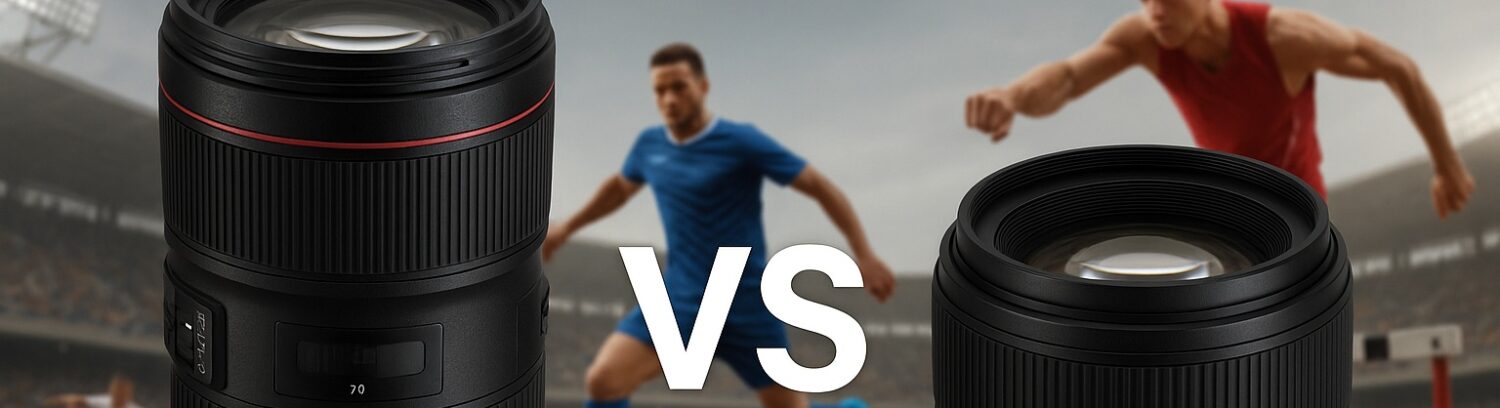
Ever watched a game and wished you could freeze a jaw-dropping moment in perfect clarity? Sports photography is all about capturing high-energy action with precision. But without the right camera settings, your shots might end up blurry or poorly lit. Whether you’re shooting a fast-paced basketball match or a thrilling soccer game, knowing how to fine-tune your camera is the key to getting professional-quality images.
Sports photography can be challenging, but with practice and the correct settings, you can take breathtaking shots that capture the intensity of the game. Understanding the interplay between shutter speed, aperture, and ISO is essential, as these settings will determine how well you freeze motion and adjust for different lighting conditions.
This guide will break down the best camera settings for sports photography, so you can consistently capture crisp and dynamic action shots. From autofocus techniques to the best lenses for different sports, we’ve got you covered.
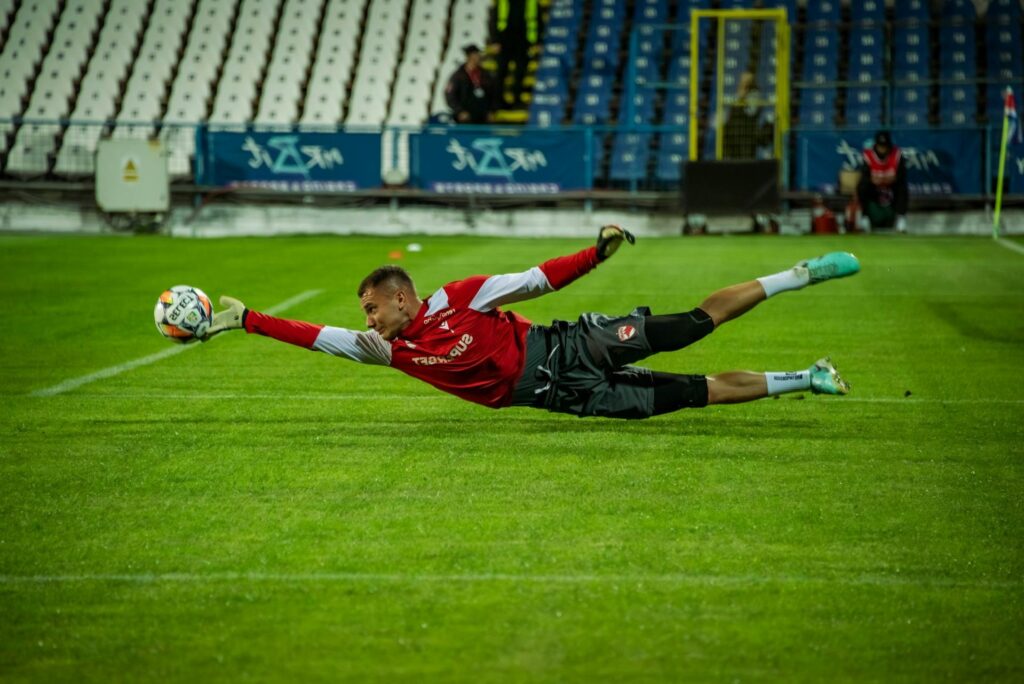
1. Use Shutter Priority Mode or Manual Mode
Since sports involve fast movement, controlling your shutter speed is essential.
- Shutter Priority Mode (Tv or S Mode): Allows you to set a fast shutter speed while the camera adjusts the aperture.
- Manual Mode: Gives full control over both shutter speed and aperture for maximum flexibility.
Choosing the right mode depends on your experience level and comfort with manual adjustments. If you’re just starting, Shutter Priority mode is a great option to ensure your images stay sharp without worrying too much about other settings. For more experienced photographers, Manual mode provides greater creative control.
Recommended Shutter Speeds:
- Fast action sports (Football, Basketball, Soccer): 1/1000s or faster
- Moderate speed sports (Tennis, Golf, Swimming): 1/500s – 1/1000s
- Slower motion sports (Bowling, Chess, Yoga): 1/250s – 1/500s
Using a slower shutter speed can introduce motion blur, which can sometimes be used creatively to show movement. However, for crisp sports shots, a faster shutter speed is almost always necessary.
2. Adjust Aperture for Proper Exposure
Aperture affects how much light enters the camera and impacts depth of field.
- Use a wide aperture (low f-number) like f/2.8 – f/5.6 to let in more light and blur the background, making the subject stand out.
- Use a narrow aperture (higher f-number like f/8 – f/11) when photographing team shots or wider scenes with multiple subjects in focus.
A wide aperture is especially useful in low-light conditions, such as indoor arenas or night games. It helps isolate your subject from distractions and ensures they remain the focal point of your shot.
3. Set ISO Based on Lighting Conditions
ISO controls your camera’s sensitivity to light. Higher ISO values help in low-light conditions, but too high can introduce noise.
Recommended ISO Settings:
- Bright daylight: ISO 100 – 400
- Cloudy conditions or indoor sports: ISO 800 – 1600
- Low-light or night games: ISO 3200 – 6400 (depending on camera capability)
It’s important to find a balance between ISO and image quality. Modern cameras handle high ISO levels well, but excessive ISO can reduce sharpness and add grainy texture to your photos.
4. Use Continuous Autofocus (AI Servo / AF-C)
Sports photography requires a fast and responsive autofocus system to track moving subjects.
- Canon users: Use AI Servo mode
- Nikon & Sony users: Use AF-C mode
This setting helps the camera continuously adjust focus as subjects move across the frame, ensuring sharp images. Pairing continuous autofocus with high-speed continuous shooting can greatly improve your chances of capturing the perfect moment.
5. Set High-Speed Continuous Shooting Mode
To capture multiple frames in rapid succession, enable burst mode or continuous shooting mode.
- Recommended: 5 – 10 frames per second (FPS) or higher
This increases your chances of getting the perfect shot during fast action moments. Many professional sports photographers rely on this setting to capture split-second expressions and movements that might otherwise be missed.
6. Optimize White Balance
White balance helps ensure accurate color representation in your shots.
- Daylight: Use “Daylight” or “Sunny” preset
- Indoor Sports: Use “Fluorescent” or “Tungsten” preset based on the lighting
- Night Games: Auto White Balance (AWB) or custom white balance
Lighting conditions in sports venues can change rapidly, so adjusting white balance accordingly will help maintain accurate and natural colors in your images.
7. Choose the Right Lens
The lens you use plays a significant role in capturing high-quality sports photos.
Recommended Lenses:
- 70-200mm f/2.8 – Ideal for most sports with excellent zoom and wide aperture.
- 300mm f/4 or f/2.8 – Perfect for outdoor sports like football or baseball.
- 24-70mm f/2.8 – Good for close-range sports like basketball.
Using a lens with image stabilization can help reduce blur, especially in handheld shooting situations. Additionally, prime lenses with wide apertures can enhance image sharpness and quality.
8. Positioning and Composition Tips
To maximize your sports shots, consider these positioning tips:
- Get close to the action for more engaging shots.
- Capture players’ expressions and movements.
- Use leading lines and framing to enhance composition.
- Shoot from different angles for a dynamic perspective.
Anticipating key moments in a game and understanding player movement patterns can help you position yourself for the best shots. If possible, move around during the game to capture various perspectives.
Mastering sports photography requires understanding the right camera settings and how they work together. By using fast shutter speeds, wide apertures, and high ISO settings when needed, you can capture sharp and action-packed images.
Beyond technical settings, practice and experience play a huge role in improving your shots. The more you shoot, the better you’ll become at anticipating movements and capturing dramatic moments. Don’t be afraid to experiment with settings based on the sport and venue.
With time, you’ll develop the skills to take stunning sports photographs consistently. Whether you’re shooting for fun or aiming to become a professional sports photographer, mastering these techniques will take your images to the next level.
Looking for more photography tips? Check out our other guides on action photography techniques and the best cameras for sports photography!
The written content on this page was generated by ChatGPT.