In the unpredictable world of outdoor sports, the weather doesn’t always cooperate. One moment the sun is shining, and the next, you’re facing heavy rain, blowing dust, or freezing winds. For sports photographers, these conditions can make or break a shoot. Having weatherproof camera gear not only protects your investment but also ensures you never miss the action — no matter what Mother Nature has planned.
This guide explores the importance of weather-sealed cameras and lenses, protective accessories, and shooting strategies that allow photographers to capture crisp, high-speed action in even the toughest environments.
Why Weatherproof Gear Matters in Sports Photography
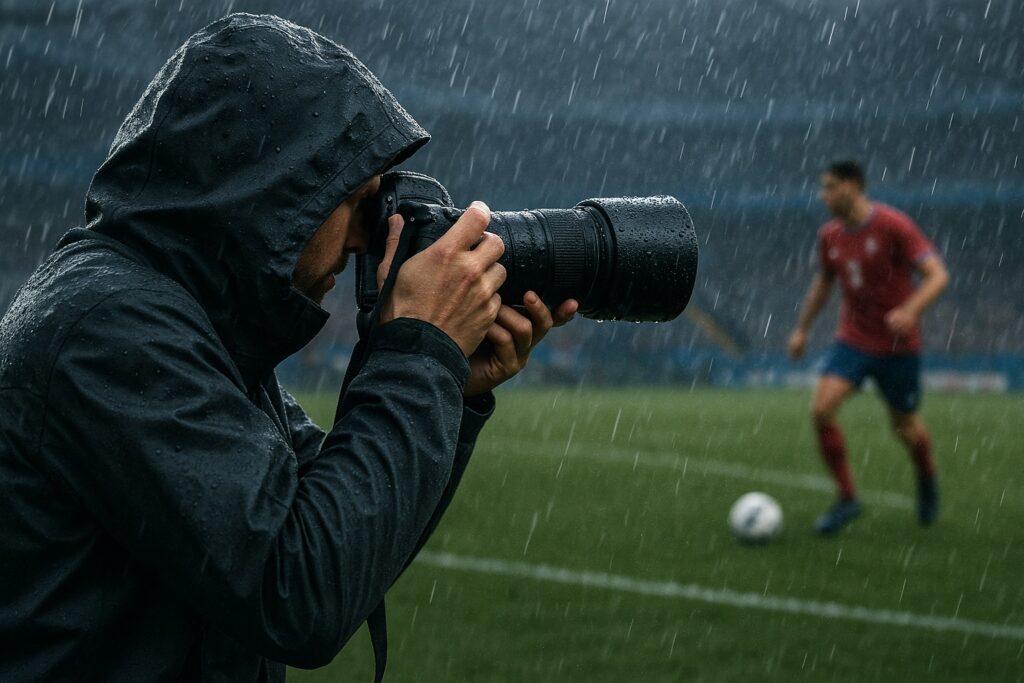
Sports photographers are often on the sidelines, in the field, or at the track — not in controlled studios. Rain, mud, sand, or snow can easily damage sensitive electronics. Weatherproof gear provides the confidence to keep shooting, even when the conditions turn harsh.
A camera that can handle wind-blown dust during a motocross race or sudden rain at a soccer match ensures you never have to pack up early. Beyond protection, weather-sealed gear also helps maintain consistent image quality, preventing condensation, smudges, and lens fogging that can ruin your best shots.
Understanding Weather Sealing and Protection
Weather sealing doesn’t make a camera or lens completely waterproof, but it does make them resistant to moisture, dust, and temperature fluctuations. High-end cameras and lenses use rubber gaskets, seals, and durable materials to keep elements out.
Key Benefits of Weatherproof Gear:
- Moisture Resistance: Prevents water from entering internal components during rain or snow.
- Dust Protection: Keeps dirt and debris out when shooting in deserts, tracks, or fields.
- Temperature Stability: Helps prevent condensation and mechanical issues in cold or hot climates.
- Extended Longevity: Protects gear from corrosion and wear over time.
Best Weatherproof Cameras and Lenses for Sports Photography
Modern camera brands like Canon, Nikon, Sony, and Fujifilm have developed weather-sealed options for professionals and enthusiasts alike. When shooting outdoor sports, these are some features to prioritize:
- Magnesium Alloy or Polycarbonate Body: Durable materials resist impact and harsh environments.
- Sealed Buttons and Ports: Rubber gaskets around buttons, battery doors, and memory card slots prevent leaks.
- Weather-Sealed Lenses: Pairing a sealed camera with a non-sealed lens defeats the purpose — make sure your lenses match your camera’s protection level.
- Lens Hoods: Simple yet effective, lens hoods block rain and prevent glare.
Top Weather-Sealed Camera Lines (2025):
- Canon EOS R5 / R6 Series
- Nikon Z8 / Z9
- Sony A9 III / A1
- Fujifilm X-T5 / X-H2
Essential Accessories for Weather Protection
Even with sealed equipment, external protection adds another layer of safety. Consider investing in these practical accessories:
- Rain Covers: Transparent covers allow you to operate your camera while keeping it dry.
- Waterproof Bags or Cases: Protect gear during transport or long events.
- Lens Filters: UV or clear protective filters shield your lens glass from rain or grit.
- Microfiber Cloths: Quickly wipe away droplets without scratching surfaces.
- Silica Gel Packs: Prevent moisture buildup in your gear bag.
Techniques for Shooting in Challenging Weather
When the weather turns rough, the right approach can make a huge difference. Here are a few strategies professional sports photographers swear by:
- Plan for the Environment: Check forecasts and prepare appropriate covers and cleaning tools.
- Adjust Your Settings: In low light caused by clouds or rain, open your aperture wider or raise ISO carefully.
- Use Burst Mode: Rain and snow can distort focus. Shooting in bursts increases the chance of crisp frames.
- Mind the Light: After storms, diffused light creates soft shadows and vibrant colors — perfect for dynamic action shots.
- Protect Between Shots: When possible, shield your camera under a jacket or umbrella until the action begins.
Post-Shoot Care: Maintaining Weatherproof Gear
Proper maintenance keeps your equipment in top shape for the long run.
- Dry Thoroughly: After exposure to rain or humidity, wipe gear dry with a soft towel.
- Inspect Seals and Ports: Check for debris or moisture around buttons and seams.
- Store Correctly: Keep gear in a dry, temperature-controlled environment.
- Regular Servicing: Have your camera inspected periodically by professionals for seal integrity.
Common Mistakes to Avoid
- Assuming Weatherproof Means Waterproof: Even the best-sealed cameras can’t handle full submersion.
- Ignoring Lens Pairing: Using an unsealed lens on a weather-sealed body invites moisture and dust inside.
- Skipping Maintenance: Small cracks or worn seals can compromise protection over time.
- Underestimating Cold Effects: Batteries drain faster in low temperatures — carry extras.
Conclusion
For sports photographers, unpredictable weather doesn’t have to be a limitation. Investing in weatherproof gear ensures you’re ready to capture decisive moments — from rain-soaked football matches to sun-drenched cycling tours — without worrying about your equipment. The right combination of gear, preparation, and care empowers you to deliver exceptional images in any condition.
With experience and reliable tools, you’ll learn that sometimes, the best sports photos come from the toughest conditions — when the elements meet the action and you’re ready to capture it all.
The written content on this page was generated by ChatGPT.