When you’re on the sidelines of a packed stadium or crouched near the finish line of a high-speed cycling race, every second counts. Sports photography isn’t just about snapping a quick shot—it’s about being ready, mobile, and fully equipped to catch fleeting moments of intensity and triumph. While your camera and lens are undoubtedly the stars of your kit, the real difference-maker lies in the supporting gear you bring along. Accessories are the unsung heroes that help you shoot longer, focus better, and work faster under pressure.
Let’s dive deep into the critical accessories every sports photographer should carry, whether you’re shooting under blazing sun, pouring rain, or intense indoor lighting.
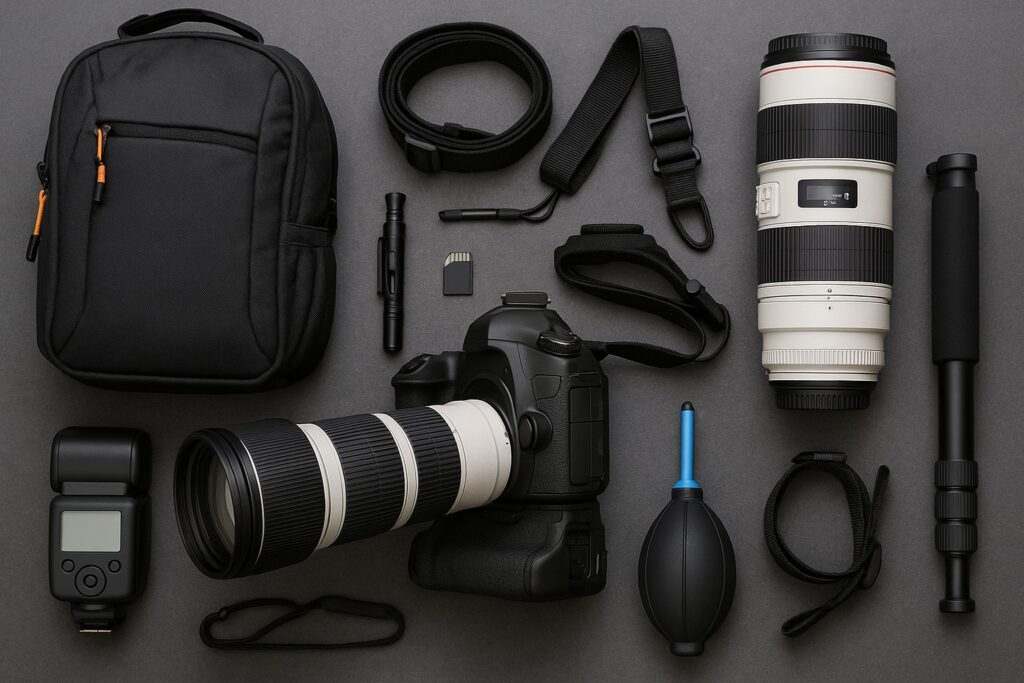
1. High-Speed Memory Cards That Keep Up With the Action
Capturing continuous bursts of action is standard practice in sports photography. This means your memory card must be fast enough to handle the rapid-fire writing of large image files. When your subject is flying across the field or leaping for a dunk, there’s no time for buffering delays.
Look for cards with:
- UHS-II or UHS-III classification
- V60 or V90 video speed class
- Write speeds above 150MB/s
Brands such as SanDisk Extreme Pro and Lexar Professional are industry favorites. Carry at least two or three backups; it’s not just smart—it’s essential.
2. Monopods and Tripods: Keeping Things Steady Without Losing Speed
Holding a long telephoto lens steady for hours is not only tiring—it can ruin your shots. A monopod gives you the freedom to move quickly while supporting the weight of your gear. For pre-planned shots, a lightweight tripod with a fluid head ensures smooth motion and clean panning.
Features to consider:
- Quick-release mechanisms for rapid repositioning
- Rotating or tilting heads for flexibility
- Carbon fiber construction to reduce fatigue
3. Weather Protection You Can Rely On
No matter how great the forecast looks, outdoor sports always come with a degree of unpredictability. Sudden showers, dust clouds, or even a splash of Gatorade from the sidelines can spell trouble for unprotected gear.
Make sure you have:
- Dedicated rain covers for camera bodies and lenses
- A waterproof backpack with padded dividers
- Quick-dry microfiber cloths and weatherproof lens wipes
Being prepared for the elements lets you keep shooting when others pack up.
4. Battery Backups and Power Solutions for Long Days
Your camera battery will drain faster than expected when you’re shooting continuously, zooming often, or transmitting files. The pros never leave for an assignment without spare batteries and portable charging options.
Recommended gear:
- Multiple OEM batteries for your camera model
- Dual battery chargers for efficient overnight charging
- Portable USB power banks with fast charging support
Having an extra power source on hand is like having a spare set of eyes—you’ll thank yourself later.
5. Teleconverters: Reach Further Without Changing Your Lens
There will be times when you can’t get close to the action—think massive stadiums or closed-track events. A quality teleconverter extends your focal length without the need for a second bulky lens.
What to look for:
- Compatibility with your lens and camera body
- Minimal light loss (typically 1 to 2 stops)
- Ability to retain autofocus performance
They’re compact, lightweight, and incredibly handy when space and speed are top priorities.
6. Camera Harnesses and Dual-Strap Systems for Comfort and Speed
Shooting for hours while carrying heavy gear can lead to neck and shoulder strain. A well-designed harness or strap system not only relieves pressure but keeps your gear accessible so you’re always ready to fire.
Ideal features:
- Even weight distribution
- Adjustable, breathable material
- Space for dual camera setups
Brands like Peak Design and BlackRapid are praised for their durability and user comfort.
7. Lens Hoods and Protective Filters
Glare, flare, and smudges are common in outdoor environments. A lens hood helps block stray light and enhances contrast, while a UV or clear filter adds a layer of protection against accidental bumps or debris.
Pro tips:
- Use bayonet-style hoods for secure attachment
- Choose multi-coated filters to avoid image degradation
It’s a small investment for a big return in image clarity and lens safety.
8. Portable Lighting for Low-Light Situations
Even in well-lit arenas, shadows and inconsistent lighting can ruin an otherwise perfect shot. A compact flash or LED panel can give you the edge when the available light isn’t cutting it.
Essentials to check:
- Adjustable brightness and color temperature
- Fast recycling time for consecutive shots
- Wireless remote triggering or hot shoe compatibility
Controlled light can mean the difference between a blurry shot and a portfolio-worthy image.
9. Earbuds or Noise-Cancelling Headphones
It might seem unrelated, but in noisy environments, focusing becomes difficult. High-quality earbuds or noise-cancelling headphones help you concentrate—especially when reviewing or editing images during breaks.
Choose:
- Lightweight, in-ear models for portability
- Active noise-cancellation for full immersion
Your ears and your workflow will thank you.
10. Laptops or Tablets With Built-in Card Readers
Modern sports photographers often work under deadlines. Quick image review, basic editing, and immediate file transfer are essential—especially for live coverage events.
Opt for:
- Lightweight devices with long battery life
- Models that support raw editing software
- Built-in SD or CFexpress card readers
Being able to back up and deliver content on the go is no longer a luxury—it’s a necessity.
Sports photography is as much about preparation as it is about precision. Having the right accessories in your gear bag means you’re always one step ahead of the action. These tools help you stay focused, flexible, and fast—key traits of every successful sports photographer.
Think of accessories as your support team. They don’t get the spotlight, but they enable you to shine. Build your kit with care, keep it organized, and upgrade as your skills and assignments evolve. The difference between a missed shot and a masterpiece often comes down to what’s in your bag.
Pack smart, shoot sharp, and let nothing stand between you and that winning shot.
The written content on this page was generated by ChatGPT.