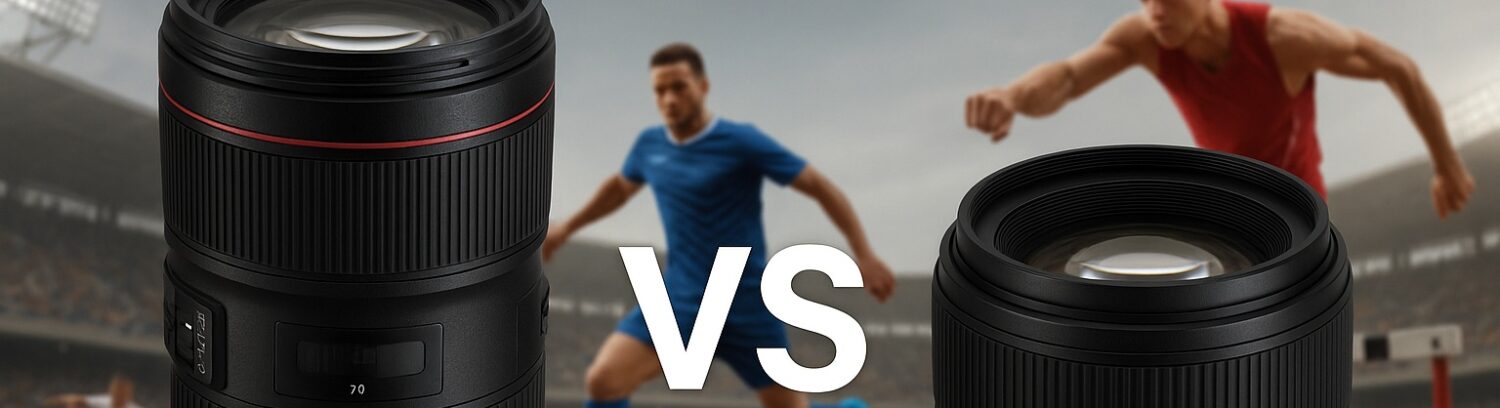
When it comes to capturing the thrill and energy of sports like volleyball and marathon racing, it takes more than just a good camera to get stunning shots. Whether you’re standing court-side at a high-stakes volleyball game or stationed along the marathon route as runners surge past, photographing fast-paced action requires skill, preparation, and an understanding of the sport itself. In this comprehensive guide, we’ll explore essential tips and techniques to help you create captivating images that truly capture the excitement and emotion of sporting events.
1. The Importance of Choosing the Right Gear
One of the first steps to mastering sports photography is ensuring you have the appropriate gear. Fast-paced action demands fast and reliable equipment. Consider these essentials:
- Camera: Opt for a DSLR or mirrorless camera that offers fast autofocus (AF) and high continuous shooting speeds (at least 10 frames per second). Cameras like the Canon EOS R6 or Nikon Z6 II are popular among sports photographers.
- Lenses: Choose lenses based on the sport and setting. A telephoto lens (70-200mm f/2.8) is perfect for volleyball, as it allows you to zoom in on the action from a distance. For marathons, a versatile zoom lens (24-70mm f/2.8) works well for both close-up shots and wide-angle views.
- Accessories: A monopod provides stability when shooting volleyball indoors, while a lightweight, weather-resistant backpack is essential for marathon events where you may need to move frequently.
2. Dialing in the Perfect Camera Settings
To effectively capture action, your camera settings need to be spot on. Sports photography is all about balancing speed and clarity while adapting to changing lighting conditions.
- Shutter Speed: For volleyball, use a shutter speed of at least 1/1000s to freeze the motion of spikes and blocks. For marathons, 1/500s can capture the fluid motion of running without excessive blur.
- Aperture: In indoor volleyball settings, a wide aperture (like f/2.8) allows more light, crucial for avoiding motion blur. In outdoor marathons, you might opt for f/4 to ensure both the runner and the background are in focus.
- ISO: Keep ISO as low as possible, ideally between 100-400 for outdoor sports. For indoor events, ISO may need to be increased to 1600 or higher to maintain fast shutter speeds without introducing too much noise.
- Focus Mode: Use continuous autofocus (AF-C) paired with burst shooting mode to track moving subjects and increase your chances of getting a sharp shot.
3. Crafting Eye-Catching Compositions
Great sports photos aren’t just about technical skill; composition plays a vital role in telling a story. Use these techniques to create dynamic images:
- Rule of Thirds: Instead of centering the athlete, position them off to one side to create a sense of movement.
- Leading Lines: Use the court lines in volleyball or the road in marathons to draw the viewer’s eye to the athlete.
- Depth of Field: For volleyball, isolate the player by using a shallow depth of field. In marathons, include the cheering crowd to convey the race atmosphere.
4. Capturing Emotion and Intensity
Emotion is at the heart of sports photography. Whether it’s the intense concentration before a volleyball serve or the exhaustion after a marathon finish, these moments add depth to your portfolio.
- Focus on Faces: Facial expressions reveal the competitive spirit and determination of athletes.
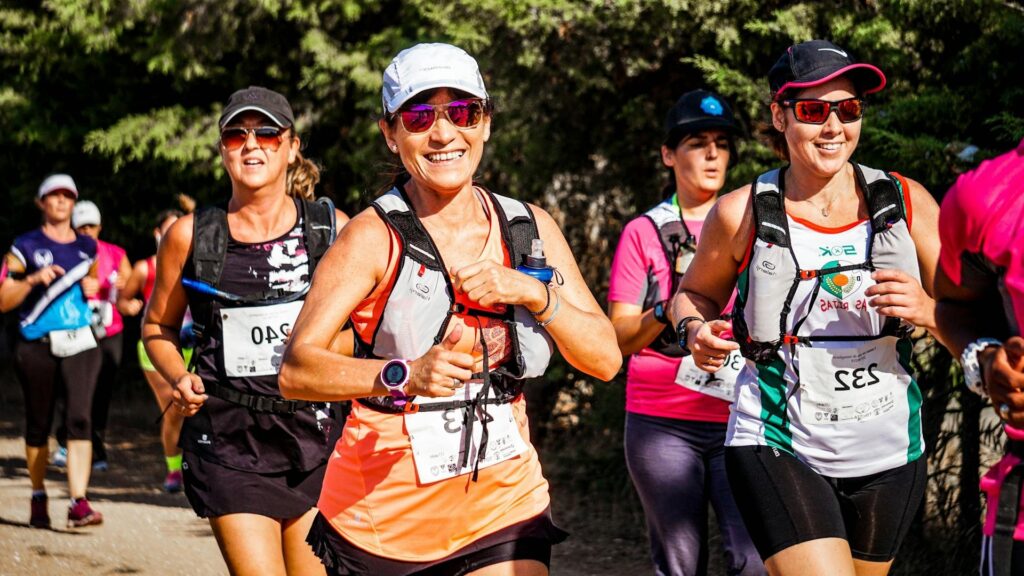
- Motion Blur Techniques: Create a sense of speed in marathon shots by using panning techniques—move the camera along with the runner while using a slightly slower shutter speed (1/100s).
- Peak Action Moments: Capture decisive moments, such as a volleyball spike at the net or a runner crossing the finish line.
5. Essential Post-Processing Techniques
Even the best raw shots benefit from post-production. Focus on enhancing clarity and color while maintaining the authenticity of the image.
- Exposure Correction: Brighten underexposed indoor shots to make the athlete stand out.
- Sharpening: Use selective sharpening to enhance the athlete’s features while keeping the background soft.
- Color Grading: Adjust vibrancy and contrast to make the image pop, particularly in outdoor marathon scenes.
6. Avoiding Common Pitfalls
Mistakes can turn a potentially great shot into a missed opportunity. Here are some issues to avoid:
- Overexposing in Bright Sunlight: Use a polarizing filter to reduce glare during outdoor races.
- Focusing Too Slowly: Prefocus on a spot where you expect action to happen rather than reacting to sudden movement.
- Ignoring the Background: A cluttered background can distract from the main subject. Position yourself strategically to keep backgrounds clean.
Photographing sports like volleyball and marathon racing is a challenging but rewarding endeavor. By preparing with the right gear, mastering your camera settings, and focusing on composition and emotion, you can capture stunning images that resonate with viewers. Practice, patience, and passion will help you develop your own unique style in sports photography. Get out there, experiment, and most importantly—enjoy the thrill of capturing the spirit of competition.
The written content on this page was generated by ChatGPT.