Battery Packs and Power Solutions for Long Sports Photography Sessions

When you’re out shooting sports, your camera has to work overtime. Tracking fast-moving athletes, firing off bursts of shots, and adjusting for shifting light all use up your battery life quickly. Unlike casual photography, sports sessions often last hours, and your camera is constantly pushing its limits. The last thing you want is to miss that perfect moment because your battery died.

That’s why having reliable power options is essential for sports photographers. Whether you’re covering a marathon, a soccer match, or a cycling race, managing your energy supply is as important as knowing your camera settings inside out.

In this article, we’ll explore practical battery solutions, power banks, and smart habits that will help you keep shooting for hours without worrying about losing power. Read on to find out how to stay ready for every crucial play and capture every unforgettable shot.
Why Battery Life is Crucial in Sports Photography

Sports photography is demanding. You’re often shooting in continuous mode, relying on autofocus tracking, and maybe even using flash or recording video. All these features drain your battery much faster than typical photography.

Running out of power during a game or event is frustrating at best and career-hindering at worst. For professional photographers, every missed moment can mean lost income. Even hobbyists want to make sure they capture the best action possible. Smart power management ensures you won’t be caught off guard.


The Power Drain Dilemma During Sports Events

Several factors can accelerate battery drain when shooting sports:

  • Rapid Fire Shooting: Taking multiple shots per second uses more power than single frames.
  • Continuous Autofocus: Keeping your subject in focus nonstop requires extra energy.
  • Flash and Video: Both consume significantly more battery life than still photography alone.
  • Cold Weather: Batteries don’t perform well in cold conditions, draining faster than usual.
  • No Easy Access to Outlets: Outdoor events often lack convenient power sources.
  • Wireless Features: Wi-Fi and Bluetooth may be handy but come at the cost of shorter battery life.

Best Battery Options to Keep You Powered Up

High-Capacity Camera Batteries

Many camera makers offer batteries with larger capacities than the standard ones that come with cameras. These batteries store more power and let you shoot longer before recharging.

For example:

  • Canon LP-E6NH for Canon EOS cameras
  • Nikon EN-EL15c for Nikon DSLR and mirrorless
  • Sony NP-FZ100 for Sony Alpha series

It’s always a good idea to bring at least a couple of fully charged spares along — that way, you can swap out before your current battery runs dry.


Battery Grips for Extended Shooting Time

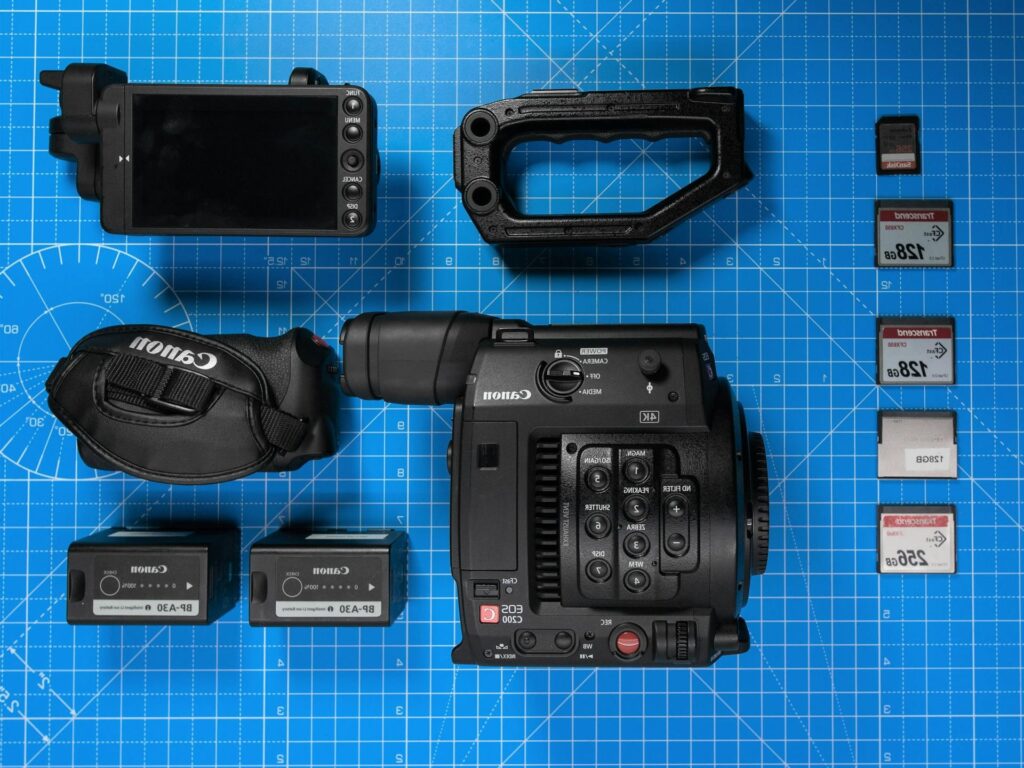
Battery grips attach to your camera’s base and allow you to use two batteries simultaneously. This setup almost doubles your shooting time without having to stop and change batteries.

Plus, they offer better handling, especially if you shoot a lot in vertical orientation. The trade-off is they add some bulk, so if you prefer a lightweight rig, keep that in mind.


Portable Power Banks: Your On-the-Go Charging Solution

Power banks are external battery packs that can charge your camera’s batteries or even power cameras that support USB charging directly. These are especially useful if you’re shooting somewhere without easy access to power outlets.

Look for power banks with:

  • Large capacity (around 20,000mAh or more)
  • Multiple USB ports to charge several devices at once
  • Fast charging capabilities
  • Compatibility with your camera or battery charger

You can take out your camera battery and recharge it separately using a portable charger and an external battery charger.


External Battery Chargers

Using a dedicated charger to recharge camera batteries is a lifesaver during long shoots. They allow you to charge batteries away from your camera and keep spares ready.

Some common models:

  • Canon LC-E6 charger
  • Nikon MH-25a charger
  • Sony BC-QZ1 charger

They’re compact and convenient, especially when paired with power banks or car chargers.


Solar Chargers for Outdoor Power

For photographers spending hours outdoors, solar chargers offer a green, renewable way to keep your gear powered up. Portable solar panels can recharge power banks or batteries during daylight, giving you an eco-friendly backup.

Keep in mind solar power depends on good weather and may not charge as quickly as wall outlets.


Tips to Maximize Your Battery Life During Long Sessions

  • Fully charge all batteries and power packs before you head out.
  • Turn off Wi-Fi, Bluetooth, and GPS unless you absolutely need them.
  • Lower your LCD screen brightness and turn off image stabilization when it’s not necessary.
  • Keep an eye on your battery levels and swap batteries proactively before they die.
  • Rotate your batteries to keep them healthy over time.
  • Carry multiple backup power sources—never depend on just one.
  • If it’s cold, keep spare batteries warm in your pocket to maintain their performance.

Recommended Battery Packs and Chargers for Sports Photographers

Here are some reliable options trusted by photographers:

  • Anker PowerCore 26800mAh: High capacity and multiple charging ports.
  • RAVPower 20000mAh: Compact, fast, and versatile power bank.
  • Canon LP-E6NH Batteries and LC-E6 Charger: Official Canon options.
  • Nikon EN-EL15c Batteries and MH-25a Charger: Nikon’s recommended gear.
  • Sony NP-FZ100 Batteries and BC-QZ1 Charger: Perfect for Sony mirrorless shooters.
  • Goal Zero Nomad Solar Panels: Portable solar chargers for outdoor use.
source: Tech way

When shooting sports for hours, power management is essential. With the right batteries, chargers, and backup plans, you can focus on getting the shot instead of worrying about running out of juice.

Preparing in advance and having multiple power solutions at your disposal will keep your camera ready for action, from the first whistle to the final buzzer.

Stay charged, stay ready, and capture every unforgettable moment.

The written content on this page was generated by ChatGPT.
Full-Frame vs. Crop Sensor: Which Is Better for Cycling Shots?

Cycling photography is all about timing, speed, and precision. Whether you’re capturing a solo rider sprinting past the finish line or a dense pack of cyclists navigating tight corners, your camera gear plays a major role in the outcome of your shots. One of the most important decisions you’ll face is choosing between a full-frame sensor and a crop sensor (APS-C) camera. This choice doesn’t just affect image quality—it influences everything from framing and lens compatibility to how you shoot in different lighting conditions.

With technology advancing rapidly, both sensor types have become powerful tools for sports photographers. But depending on your specific needs and budget, one may suit your cycling photography better than the other. In this comprehensive guide, we’ll compare full-frame and crop sensors across multiple categories, highlight real-world use cases, and help you choose the best setup for high-speed cycling action.

What Is a Full-Frame Sensor?

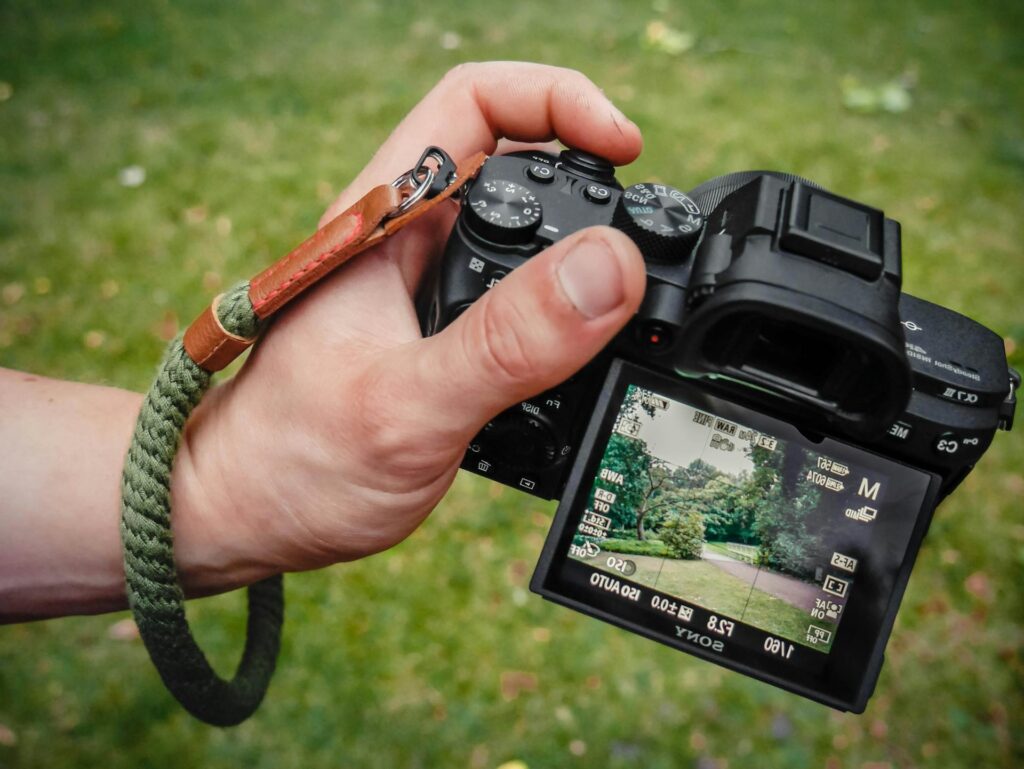
A full-frame sensor measures 36mm x 24mm, the same size as traditional 35mm film. This larger sensor captures more light, resulting in higher image quality, better low-light performance, and increased dynamic range. Full-frame sensors also allow for a shallower depth of field, offering that creamy background blur (bokeh) many photographers love. Cameras with full-frame sensors are typically aimed at professionals and advanced enthusiasts.

What Is a Crop Sensor (APS-C)?

A crop sensor, or APS-C sensor, is smaller than a full-frame sensor. The crop factor—usually 1.5x or 1.6x—narrows the field of view. That means a 100mm lens behaves like a 150mm or 160mm lens on a crop sensor camera. This extra reach can be a huge benefit in sports photography, allowing you to get tighter compositions without moving closer to the action. Crop sensor cameras are often more affordable and lighter, making them popular among hobbyists and those looking for portability.


Key Differences: Full-Frame vs. Crop Sensor in Cycling Photography

1. Field of View & Effective Focal Length

  • Crop Sensor Advantage: The effective focal length boost means your telephoto lenses go further, which is great for track cycling or road races where you’re positioned far from the subject.
  • Full-Frame Advantage: Offers a true wide-angle field of view, which is helpful for capturing the full atmosphere—like riders coming through scenic mountain passes or crowded start lines.

2. Image Quality & Resolution

  • Full-Frame Benefit: Because of their larger sensor size, full-frame cameras tend to produce cleaner, sharper images with more detail and less digital noise.
  • Crop Sensor Limitation: Image quality is slightly reduced in low light and at higher ISO levels. However, modern APS-C cameras are closing this gap with better processors and noise reduction algorithms.

3. Low-Light Performance

  • Full-Frame Strength: Performs better in early morning or evening events, shady forests in mountain biking, or indoor velodromes. Larger pixels mean more light absorption and better dynamic range.
  • Crop Sensor Trade-off: More susceptible to grain and noise at higher ISOs. Not ideal for dimly lit environments without extra lighting gear.

4. Depth of Field Control

  • Full-Frame Perk: Makes it easier to isolate the subject with a shallow depth of field. This can turn a fast-action shot into a compelling portrait of speed and focus.
  • Crop Sensor Constraint: Achieving a similarly shallow depth of field is harder, especially with slower lenses.

5. Autofocus Speed & Tracking

  • Modern Parity: Today’s crop sensor cameras from brands like Sony, Canon, and Nikon offer excellent autofocus systems, including fast tracking and subject recognition.
  • Full-Frame Advantage (High-End Models): Top-tier full-frame bodies often feature more AF points and better low-light focus performance—crucial when tracking cyclists at high speeds.

6. Frames Per Second (FPS) & Buffer Size

  • Crop Sensor Edge: Some APS-C cameras are built for speed. They shoot at higher frame rates, ideal for continuous burst shooting during fast action.
  • Full-Frame Consideration: Full-frame cameras may have slightly slower burst speeds unless you’re investing in pro-level models.

7. Weight and Portability

  • Crop Sensor Bonus: Lighter camera bodies and lenses mean less strain when shooting a long cycling event or moving quickly to new locations.
  • Full-Frame Drawback: Generally heavier and bulkier, especially when paired with high-end telephoto lenses.

8. Cost and Budget

  • Crop Sensor Value: More accessible for beginners or semi-pros who want to invest in a capable setup without the premium price tag.
  • Full-Frame Investment: Higher initial costs, but often come with better weather sealing, build quality, and long-term upgrade paths.

Real-World Scenarios for Cycling Photography

Road Racing Events

  • Full-Frame Use: Great for capturing the scenic environment, crowds, and close-up rider portraits.
  • Crop Sensor Use: Perfect for tight action shots and reaching distant subjects from behind barriers.

Mountain Biking in Forest Trails

  • Full-Frame Use: Excels in low-light conditions and lets you shoot wide with dramatic background blur.
  • Crop Sensor Use: Offers a compact setup, easier to carry through uneven terrain.

Indoor Velodromes

  • Full-Frame Use: Handles dim lighting and high-speed bursts with minimal noise.
  • Crop Sensor Use: Will require higher ISO settings and fast lenses, but still capable with good technique.

Which Sensor Is Right for You?

Go Full-Frame If:

  • You’re a professional or serious enthusiast.
  • You shoot in varied lighting conditions and want the best image quality.
  • You want full control over depth of field.
  • Budget is less of a concern, or you see it as a long-term investment.

Go Crop Sensor If:

  • You’re a beginner or intermediate photographer on a budget.
  • You shoot mostly in good light conditions.
  • You value portability and extra reach.
  • You want a lightweight setup for travel or fast movement.
source: B&H Photo Video Pro Audio

Choosing between a full-frame and a crop sensor camera for cycling photography isn’t a matter of which is “better,” but rather which is better for your needs. Full-frame cameras offer top-tier quality and performance, especially in challenging environments, but they come with a higher cost and heavier gear. Crop sensors, on the other hand, provide excellent value, reach, and portability—making them ideal for many action sports photographers.

Ultimately, the best cycling photo is not just about the sensor size, but about your skill, timing, and creativity. Learn your gear, practice your technique, and you’ll capture dynamic cycling shots no matter what sensor is inside your camera.

Ready to build your perfect kit? Don’t miss our in-depth reviews of the best cameras and lenses for cycling photography in our Gear Reviews section!

The written content on this page was generated by ChatGPT.