In martial arts, every movement has a purpose, every stance tells a story, and every match is a dance of discipline and power. Photographing combat sports is not just about freezing punches mid-air or showcasing flying kicks—it’s about capturing the raw emotion, technique, and intensity that define each fighter’s journey.
Unlike traditional sports photography, martial arts photography demands an understanding of both timing and tradition. You’re not just documenting an event—you’re preserving moments of honor, strategy, and physical expression that often unfold in the blink of an eye.
Whether you’re shooting a local dojo sparring session or a high-profile MMA championship, this guide will show you how to take captivating, professional-quality martial arts photos that truly capture the energy and precision of combat sports.
Why Martial Arts Photography Stands Apart
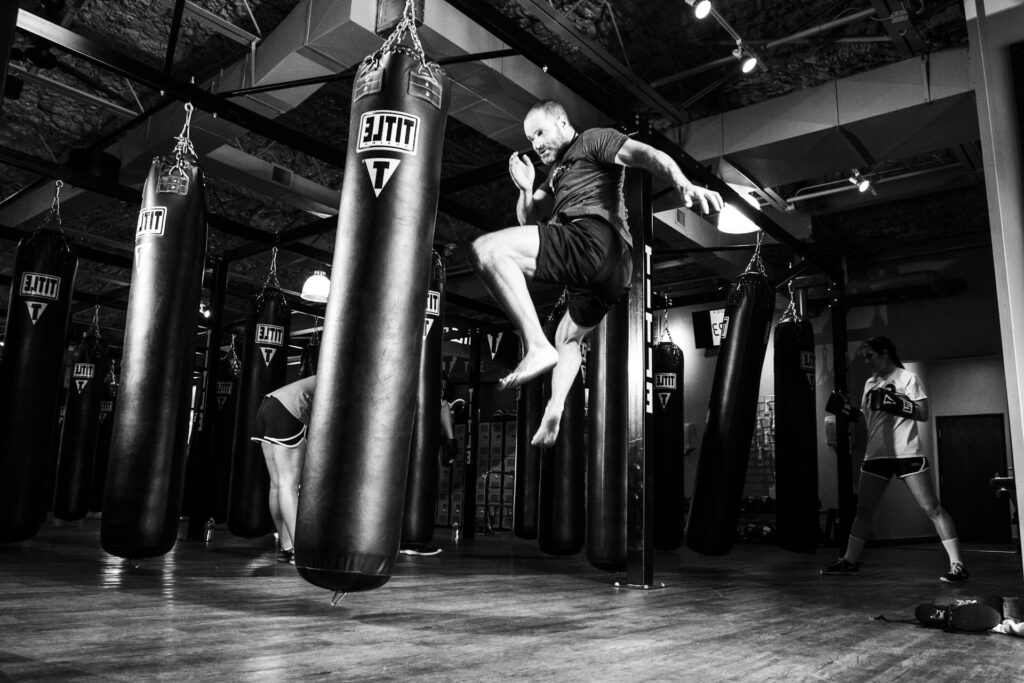
Martial arts spans a wide range of styles—each with its own rules, pace, and aesthetic. From the explosive striking of Muay Thai to the ground-based grappling of Brazilian Jiu-Jitsu, each discipline presents unique photographic challenges.
Unlike team sports where the action flows across a wide field, combat sports keep the focus tight. The action is concentrated between two fighters, often in confined spaces with limited light and fast-paced movements. Your job as a photographer is to anticipate, adapt, and deliver images that showcase technique, power, and emotion—sometimes all in the same frame.
Essential Gear for Martial Arts Photography
1. Camera Body
Choose a camera with fast autofocus, high ISO performance, and fast continuous shooting. Mirrorless models like the Sony A7 IV, Canon R6, or Nikon Z6 II are great choices for speed and low-light capability.
2. Lenses
- 70-200mm f/2.8: Ideal for close-ups from a distance, especially in a cage or ring.
- 24-70mm f/2.8: Great for general coverage, walk-around shots, and ringside photography.
- Prime lenses (e.g., 85mm f/1.8): Useful for pre-fight portraits or atmospheric detail shots.
3. Accessories
- Extra batteries & memory cards: Action sequences fill up cards fast.
- Monopod: Helps with stability without restricting mobility.
- Lens hoods: Reduce glare from overhead lights.
Best Camera Settings for Martial Arts Events
Shutter Speed: Freeze the Fight
Combat sports move fast—blink and you’ll miss it. Use shutter speeds of 1/1000 sec or faster to capture punches, kicks, and takedowns without blur. Slower action like grappling might allow for speeds around 1/500 sec.
Aperture: Control the Light and Focus
A wide aperture like f/2.8 lets in more light and creates a shallow depth of field, helping to isolate the subject and blur out distractions in the background.
ISO: Be Flexible in Low Light
Combat sports are often held indoors with uneven lighting. Be prepared to increase your ISO—1600 to 6400 is common. Prioritize exposure and focus sharpness, then reduce noise in post-processing.
Autofocus Mode
Use continuous AF (AI Servo/AF-C) to track moving subjects and back-button focus to separate focus from your shutter for faster response.
Timing and Anticipation: The Heart of Action Photography
In martial arts, the best shots happen in fractions of a second. Unlike posed photos, there are no do-overs—so you must be ready.
Study the Sport
Know the rhythms of the fight. If you understand when a fighter is setting up for a roundhouse kick or positioning for an armbar, you’ll be ready to capture the key moment before it happens.
Use Burst Mode Wisely
Shooting in high-speed burst mode helps you catch the peak of action, but don’t “spray and pray.” Time your shots and track the fighters’ movement patterns to be in the right place at the right time.
Focus on the Eyes
Whether it’s intensity before a strike or vulnerability after a missed move, the eyes reveal emotion. Locking focus on the face often results in more compelling, story-driven images.
Positioning: Where You Shoot From Matters
Where you stand affects everything—the background, angle, and composition.
Ringside or Mat-Level
Being close brings intimacy to your shots. From this position, you can capture the force of contact, facial expressions, and the drama of close-quarters combat.
Corner Angles
Standing at a corner gives you more diagonal perspective and depth. You’ll often avoid the referee blocking your frame while also capturing both fighters clearly.
Elevated Views
From a balcony or raised platform, you can show the geometry of grappling or the overall motion patterns of fighters.
Always respect the event staff and fighters’ safety—never obstruct or interfere with the match.
Capturing Emotion and Context
Don’t just shoot action—shoot the story.
- Pre-fight Rituals: Moments of meditation, hand wrapping, or face-offs.
- Corner Coaching: Strategy being whispered between rounds.
- Victory & Defeat: Raised hands, emotional outbursts, or silent exhaustion.
These shots provide context and emotion that make your collection feel complete and human.
Post-Processing: Make Your Shots Pop
Color Correction
Arena lighting can skew color temperature. Correct white balance and adjust skin tones to look natural.
Contrast and Sharpness
Combat shots benefit from high clarity and sharpness—accentuate sweat, muscle tone, and movement.
Selective Cropping
Crop to enhance focus on key details—like a clenched jaw, locked arms, or explosive contact.
Black and White Conversions
Consider converting select images to black and white to add drama and timelessness, especially in moments of stillness or fatigue.
Common Pitfalls in Martial Arts Photography
- Using Flash: It’s usually forbidden during matches and can disrupt fighters.
- Sticking to Auto Mode: You’ll miss opportunities to adapt to light and movement.
- Neglecting Storytelling: Not every great photo is of a punch—capture the buildup, the aftermath, and the atmosphere.
Pro Tips from the Pros
- Arrive Early: Scope out lighting conditions and ideal shooting spots.
- Shoot in RAW: Gives you more flexibility in editing.
- Build Rapport with Fighters: Respect builds trust, which opens the door to more candid, emotional moments.
- Keep Learning: Analyze fight footage, attend different martial arts events, and follow experienced photographers for inspiration.
The Art Behind the Action
Martial arts photography is a fusion of speed, instinct, and respect for the sport. When done well, your photos do more than freeze a kick in midair—they capture the heartbeat of competition, the silence before impact, and the strength in stillness.
As you grow in your craft, you’ll learn to not just take pictures—but to tell stories. Stories of warriors in motion, of inner strength, and of moments where time seems to stop.
Frequently Asked Questions (FAQs)
What are the best settings for indoor martial arts photography?
Use a shutter speed of at least 1/1000 sec, a wide aperture (f/2.8), and increase ISO as needed (1600–6400) depending on lighting conditions.
Can I use a flash in martial arts events?
Typically no. Most venues prohibit flash as it can distract fighters and violate event rules. Always ask organizers beforehand.
How do I get permission to shoot at martial arts events?
Contact event organizers ahead of time to request media access. Include a link to your portfolio and be professional in your communication.
Is martial arts photography profitable?
Yes, especially if you work with fighters, gyms, or event promotions. Offering digital packages, prints, and social media content can open multiple income streams.
The written content on this page was generated by ChatGPT.