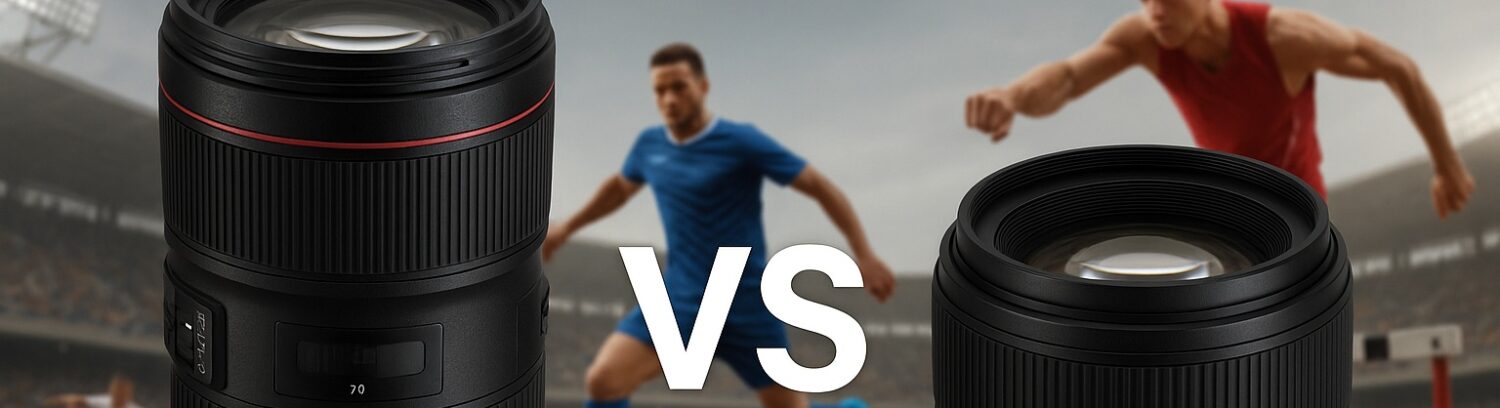
Capturing the thrill and intensity of sports moments through photography is an art in itself. Whether it’s the moment a soccer player strikes a goal, a basketball player makes a slam dunk, or a runner crosses the finish line, these fleeting moments demand precision, skill, and the right equipment. Mastering action shots in sports photography can transform ordinary photos into dynamic, visually captivating images that resonate with fans and enthusiasts alike. This article will explore essential techniques for capturing high-quality action shots in sports, from understanding your equipment to perfecting composition and timing.

1. Know Your Sport and Anticipate the Action
One of the most crucial aspects of shooting sports photography is understanding the game you’re photographing. Whether it’s football, soccer, tennis, or any other sport, knowing the rules, player movements, and key moments will help you anticipate the action before it happens. Observing patterns, such as how athletes position themselves during certain plays, allows you to predict when significant moments are likely to occur, enabling you to be in the right place at the right time.
Tip: Study the sport you’re shooting. Familiarize yourself with the players’ movements, the most exciting moments of the game, and any potential turning points. This knowledge will improve your ability to capture compelling action shots.
2. Choose the Right Equipment
Sports photography is fast-paced, requiring the use of specialized gear. The right equipment will help you freeze fast-moving action, capture sharp focus, and give your photos the desired intensity. Here are the essential tools you’ll need:
- Camera: A DSLR or mirrorless camera with fast autofocus is a must. These cameras have the capability to shoot in continuous burst mode, allowing you to capture multiple frames per second.
- Lens: The ideal lens for action shots is a telephoto lens, typically in the range of 70-200mm or 100-400mm. These lenses allow you to get close to the action without being in the midst of it, especially in large stadiums or fields.
- Shutter Speed: To freeze action, you’ll need a fast shutter speed, typically between 1/1000 and 1/2000 of a second, depending on the sport. A faster shutter speed is essential for freezing high-speed movements, like a soccer player kicking a ball or a sprinter in mid-stride.
- ISO: Higher ISO settings are necessary in low-light environments (indoor arenas or night games). However, be mindful of noise at higher ISOs—find the right balance between exposure and noise levels.
Tip: Invest in a high-quality lens with fast autofocus capabilities to ensure you’re capturing sharp images of moving subjects.
3. Master the Right Camera Settings
In sports photography, speed is everything. You must be able to adjust your camera settings quickly to react to the fast-moving action. The following settings will help you achieve crisp, well-exposed action shots:
- Shutter Priority Mode (S or Tv): In this mode, you control the shutter speed while the camera automatically adjusts the aperture for optimal exposure. This is particularly useful in sports photography, as you can choose the right shutter speed to freeze action while the camera takes care of the rest.
- Continuous Autofocus (AI-Servo or AF-C): Sports subjects rarely stay still, so using continuous autofocus ensures your camera is constantly adjusting focus to keep moving subjects sharp.
- Burst Mode: Enable burst or continuous shooting mode to capture multiple frames per second. This increases your chances of snapping the perfect moment within a series of fast movements.
Tip: Experiment with different shutter speeds. Slower speeds (like 1/500) can be used for a sense of motion, while faster speeds (1/1000 and above) freeze action completely.
4. Utilize Proper Composition Techniques
Sports photography is not just about capturing the action; it’s about framing the moment in a way that tells a story. Composition is key to creating visually appealing and dynamic images. Here are some important composition techniques:
- Rule of Thirds: Position the key subject off-center using the rule of thirds. This creates a more balanced and visually engaging image.
- Leading Lines: Use natural or architectural elements in the environment (like the lines of the field or court) to lead the viewer’s eye toward the action.
- Focus on the Athlete: Make sure the athlete or main subject is in sharp focus, with a shallow depth of field to blur out the background. This isolates the subject and creates a professional, high-impact photo.
- Get Low or High: Changing your perspective by getting low to the ground or shooting from above can add dramatic effect and enhance the feeling of movement.
Tip: Anticipate key moments where athletes will be in action, such as shooting the ball, making a pass, or performing a dive. By framing your shot in advance, you can make the moment more dynamic. For more advanced projects, blending traditional photography with high-definition video techniques, like video production equipment, can help deliver an even more compelling story.
5. Freeze the Action or Create Motion
In sports photography, you have two primary approaches to capturing movement: freezing the action or showing motion.
- Freezing the Action: Use fast shutter speeds to freeze a moment in time. For example, a runner mid-sprint or a basketball player in the air during a jump shot. The key to this technique is using a shutter speed that’s fast enough to prevent motion blur.
- Creating Motion: On the other hand, you might choose to show motion by using slower shutter speeds (1/500 or slower). This technique captures the motion blur of an athlete in action, adding a sense of speed and dynamism to the photo. For example, you can use a slower shutter speed to capture the fluid movement of a soccer player kicking the ball or a cyclist in motion.
Tip: Freezing the action typically works well for high-impact moments (goals, touchdowns, etc.), while showing motion can add a creative flair to the overall scene.
6. Be Ready for the Unexpected
Sports are full of surprises, and the best sports photographers are the ones who capture the unexpected. Whether it’s a player’s reaction after scoring, a referee’s gesture, or a fan’s emotional response, sometimes the most captivating moments are those that are off-center or not directly tied to the main action. Keep your camera ready to capture these authentic and candid moments, as they often resonate more deeply with the audience.
Tip: Stay alert for reactions from players, coaches, and fans. These moments often add emotion to your shots, creating a more well-rounded story of the game.
7. Post-Processing and Editing
Once you’ve captured your sports shots, the work isn’t over. Post-processing plays a huge role in enhancing the final image. Here are some essential editing tips:
- Sharpening: Since sports photography often involves fast-moving subjects, sharpening the image during post-processing helps improve clarity.
- Adjust Exposure and Contrast: Sports arenas and outdoor fields can have tricky lighting conditions. Adjusting exposure and contrast can ensure your photos look natural and well-balanced.
- Crop and Straighten: Cropping your images for better composition or straightening them to remove distractions can help elevate the final shot.
- Remove Noise: High ISO settings can sometimes result in noisy images. Use noise reduction tools in your editing software to clean up your shots.
Tip: Don’t overdo it with editing. Keep the edits natural to maintain the authenticity of the moment.
Mastering action shots in sports photography is about more than just technical skill. It’s about anticipation, preparation, and creative thinking. By understanding the sport, using the right equipment, perfecting your camera settings, and mastering composition techniques, you can elevate your sports photography to new heights. Don’t forget that practice makes perfect—experiment with different angles, settings, and techniques to find your unique style. Above all, enjoy the process of capturing the heart-pounding energy of sports and sharing these iconic moments with the world.
By following these essential techniques, you’ll be well on your way to capturing dynamic, memorable sports moments that leave a lasting impression.
The written content on this page was generated by ChatGPT.